
Native Cultures
The Quechan (Kwatsáan)
Guardians of the Granite Gates
The Strategic Masters
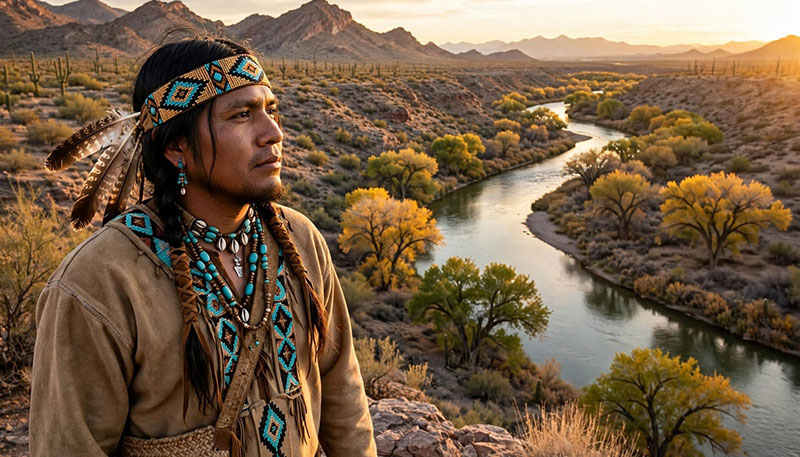
The Quechan (or Kwatsáan) people have always been the masters of the heights. In their own language, Kwatsáan means "those who descended," referencing their spiritual origin from the sacred mountain, Avi Kwa Ame (Spirit Mountain).
Historically, the Quechan occupied a position of immense power. They controlled the Yuma Crossing, the only point for hundreds of miles where the Colorado River was narrow enough to cross safely. They were a warrior-protector society who held the "granite gates," managing trade and passage between the Pacific Coast and the interior deserts.
The Gold Rush and the Ferry Wars
In 1849, the surge of pioneers created a lucrative opportunity at the Yuma Crossing. While the Quechan initially assisted travelers, tensions rose as American entrepreneurs—most notably the violent Glanton Gang—arrived to seize control.
In a decisive act of defense in 1850, the Quechan eliminated the Glanton Gang to reclaim their river. However, this drew the full attention of the U.S. military, leading to the official start of the Quechan War.
The U.S. Army established Fort Yuma in 1850, built directly atop Indian Hill—the sacred heart of Quechan territory. The Quechan resistance was so effective that the Army was forced to briefly abandon the fort due to starvation.
The Fortress of Sovereignty
Today, the Fort Yuma Quechan Indian Reservation encompasses approximately 45,000 acres, straddling the border of Arizona and California.
Economic Pillars include the Quechan Casino Resort with its massive gaming floor and concert venue, Paradise Casino on the Arizona side, and thousands of acres of productive farmland growing alfalfa, cotton, and specialty crops.
As one of the tribes with "senior" water rights, the Quechan are essential players in Colorado River water negotiations, defending their right to millions of gallons even during extreme drought.
The tribe has implemented aggressive language revitalization programs and Quechan artisans are renowned for their intricate beadwork and traditional pottery.
Keep reading
Follow the next thread.
 Native Cultures
The Cocopah (Xawill Kunyawaay)
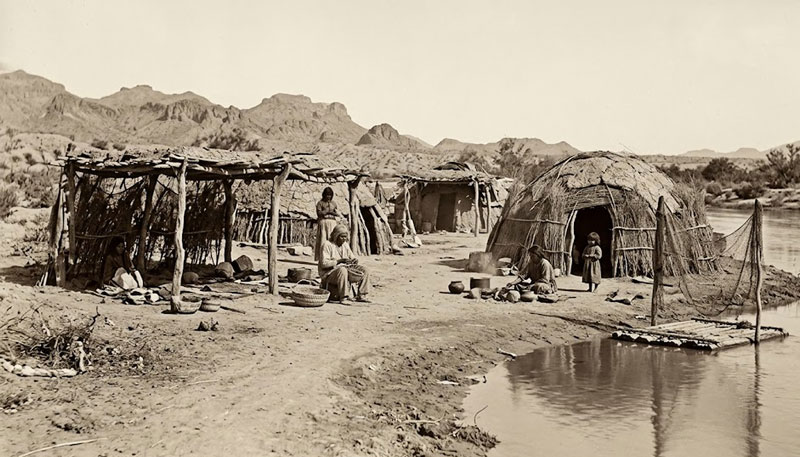
The People of the River, delta farmers who thrived where the Colorado met the sea.
Read the story Snowbirds
A City Within a City
The $453 million economy of 90,000 winter visitors.
Read the story History
Secrets Beneath the Sand
The complete story of Yuma, from the river crossing to the winter salad bowl.
Read the story